
Volkswagen Tiguan Brake Pads
Volkswagen Tiguan brake pads are axle-specific wear components that help manage speed by creating friction against the brake discs. This category includes front and rear options for scheduled maintenance, worn-pad replacement, and repairs prompted by brake noise, excessive dust, or a noticeable change in pedal response.
Genuine OEM pads are engineered for the dimensions, friction requirements, and hardware used in compatible Tiguan brake systems. The correct set can support even rotor contact, stable braking feel, and straightforward installation with surrounding factory parts. Since equipment may vary by model year, drivetrain, trim, and production date, confirm fitment before purchasing. Shop the available Volkswagen Tiguan brake pad sets to locate the appropriate components for your vehicle.

Brake Pads


Brake Pads

Brake Pads

Brake Pads
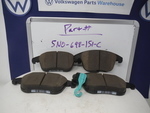
Brake Pads Front

Brake Pads Front

Disc Brake Pad Set

Disc Brake Pad Set

Disc Brake Pad Retaining Clip
Disc Brake Pad Retaining Clip
Disc Brake Pad Retaining Clip
No results found for "brake pad". Here are some helpful search tips:
- Search by a part name. Example: water pump.
- Be less specific. Example: brake instead of ceramic brake.
- Remove information such as make, year or model.
- Can't find the part you are looking for? Contact us and we'll find it for you!
Choose Brake Pads Based on How Your Tiguan Is Used
TL; DR: Match the pads to the VIN and axle, then consider driving conditions, existing wear patterns, rotor condition, and included hardware. The best replacement is not simply the pad that fits the opening; it should also suit the vehicle’s original brake configuration.
Brake pad life can vary significantly among Tiguan drivers. Commuters who frequently brake in traffic may create more heat cycles than drivers covering longer highway distances. Regular mountain travel, heavy cargo, short urban trips, and winter corrosion can also influence wear. A Volkswagen Tiguan brake pad replacement becomes more urgent when squealing continues after the brakes warm up, friction material is visibly low, or stopping feels less consistent than usual.
Know What a Pad Set Covers
A Volkswagen Tiguan brake pad set normally services one complete axle. That means a front set supplies pads for both front wheels, while a rear set supports both rear wheels. Front and rear parts should not be mixed because their shapes, backing plates, and operating loads differ.
Check whether clips, shims, bolts, or wear-related components are included. Reusing corroded or distorted hardware can prevent the pads from moving freely, even when the new friction material is correct.
Separate Brake Noise From Brake Wear
Not every sound means the pads are fully worn. A brief noise after rain or overnight parking may come from light surface rust on the rotor. Persistent squealing can relate to glazed friction material, loose hardware, or uneven contact. Grinding, however, may indicate metal-to-metal contact and should not be treated as a normal wear-indicator sound.
If one pad is much thinner than its partner, examine the brake calipers and guide components. A restricted slide or piston can wear a replacement set prematurely unless the underlying issue is corrected.
Check the Rotor Before Installing New Pads
Fresh pads need a usable mating surface. Deep grooves, heavy corrosion, heat checking, or uneven thickness can affect bedding and braking feel. Browse related brake discs, rotors, and hardware when inspection shows that the existing surface is no longer suitable. The brake drums category applies to other brake-system configurations and should only be considered where vehicle fitment specifically calls for drum components.
Why Genuine OEM Pads Are a Practical Match
Genuine VW Tiguan brake pads are developed around the original caliper clearance, rotor size, backing-plate geometry, and noise-control design. Some aftermarket pads focus on lower dust or a different initial bite, but those tradeoffs may change pedal feel or sound. OEM parts are well suited to drivers who want to retain factory-style braking characteristics and reduce uncertainty during fitment.
Wheel-area service also creates an opportunity to inspect the wheels for damage and confirm that the tire pressure monitoring system is functioning correctly after tire or wheel removal.
Key Takeaways
- A brake pad set generally covers one axle.
- Driving conditions can matter more than mileage alone.
- Persistent noise should be diagnosed rather than assumed to be normal wear.
- Uneven pad thickness may reveal restricted caliper movement.
- Rotor condition influences how new pads bed and perform.
Frequently Asked Questions
How can I tell whether I need front or rear brake pads?
Inspect both axles and identify where the friction material is low, or where wear is uneven. A warning message alone may not specify the axle, so a physical inspection is often necessary.
Do new Tiguan brake pads need a bedding procedure?
Many brake services benefit from controlled initial stops that gradually establish an even contact layer. Follow the installation guidance provided for the specific parts and avoid severe braking immediately after service unless necessary.
Can brake dust indicate a problem?
Some dust is normal. A major difference between wheels may suggest uneven pad wear, restricted caliper movement, or a braking imbalance that deserves inspection.